Gait Speed
gait speed
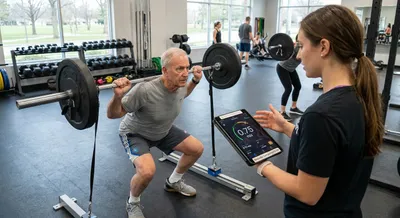
Velocity-Based Training and Longevity-Relevant Outcomes
Several small trials of older adults suggest yes. In one 12-week study of very old adults (average age ~82) with slow walking speed, a power-training...
Gait Speed
Gait speed is the usual pace at which a person walks, typically measured in meters per second. It is found by timing someone as they walk a set short distance at their normal speed. This simple measurement gives a lot of information about overall health, mobility, and physical function. Slower walking speed can signal problems with muscle strength, balance, cardiovascular fitness, or underlying illness. Clinicians and researchers use it because it is quick, inexpensive, and reliable across many settings. Gait speed matters because it predicts important outcomes like the ability to live independently, risk of falls, hospitalization, and even survival. Small changes in walking speed over time can show whether someone is improving with treatment or getting worse. It also helps guide rehabilitation goals and exercise prescriptions that target mobility. Because it reflects both physical and neurological function, gait speed is a practical indicator of everyday ability and quality of life.
Get New Longevity Research & Podcast Episodes
Subscribe to receive new research updates and podcast episodes about longevity, fitness, healthspan, healthy aging, nutrition, supplements, and practical lifestyle optimization.