Data Accuracy
data accuracy
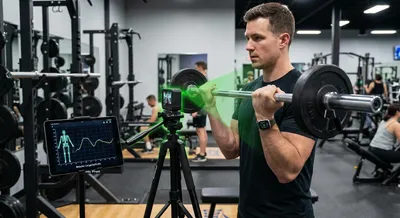
Wearables and Computer Vision: Measuring Real-World Resistance Training Exposure
Modern tools make tracking workouts easier. Here are three approaches researchers and fitness apps use to spot strength workouts and measure their...
Data Accuracy
Data accuracy means how close measured or recorded information is to the true value it is supposed to represent. If a temperature gauge shows the actual temperature, or a step counter records the real number of steps, those measurements are accurate; if not, they are inaccurate. Accuracy is important because people and organizations use data to make decisions, design treatments, and draw conclusions; inaccurate data can lead to wrong choices or wasted effort. Factors that affect accuracy include the quality of instruments, how they are used, environmental conditions, and human error during collection or entry. There are two common kinds of problems: systematic errors that bias every measurement in one direction, and random errors that make measurements vary unpredictably. To improve accuracy, people calibrate devices, validate methods against trusted standards, repeat measurements, and train users to follow correct procedures. Sometimes accuracy must be balanced against cost, speed, or convenience, but knowing the limits of your data helps you interpret results more carefully. In short, accurate data builds trust and makes actions based on that data more likely to succeed.
Get New Longevity Research & Podcast Episodes
Subscribe to receive new research updates and podcast episodes about longevity, fitness, healthspan, healthy aging, nutrition, supplements, and practical lifestyle optimization.