Exercise Science
exercise science
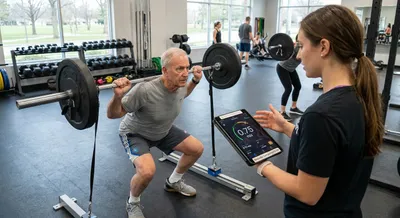
Velocity-Based Training and Longevity-Relevant Outcomes
Several small trials of older adults suggest yes. In one 12-week study of very old adults (average age ~82) with slow walking speed, a power-training...
Exercise Science
Exercise science is the study of how physical activity affects the body and mind. It draws on biology, physiology, biomechanics, nutrition, and psychology to understand how muscles, heart, lungs, and the brain respond to movement and training. People in this field run experiments, measure performance, and test programs so they can figure out what kinds of activity are safe and effective for different goals. The field covers everything from how to improve athletic performance to how to design exercise for health, rehabilitation, or aging. This matters because good research helps people exercise smarter and safer. Instead of guesswork, coaches, therapists, and everyday people can use evidence-based guidelines to build programs that reduce injury, improve fitness, and support long-term health. Exercise science also helps explain why certain workouts work for one person and not another, and it informs public health advice about physical activity for different ages and conditions.
Get New Longevity Research & Podcast Episodes
Subscribe to receive new research updates and podcast episodes about longevity, fitness, healthspan, healthy aging, nutrition, supplements, and practical lifestyle optimization.