Dementia Risk
dementia risk
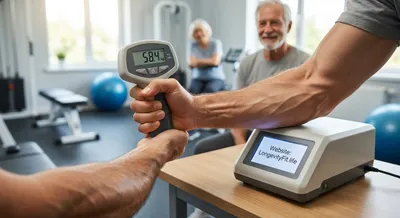
Grip Strength as a Survival Biomarker: Can Training Close the Gap?
For example, a large study following older adults around the world found a clear pattern: higher grip strength means lower risk of death. In that...
Dementia Risk
Dementia risk refers to the chance that a person will develop dementia, a group of conditions that affect memory, thinking and daily functioning. It is not a single number but a mix of factors, including age, genetics, health conditions like high blood pressure or diabetes, lifestyle habits, and social and mental activity. Some factors, such as family history or age, can’t be changed, while others—like diet, exercise, smoking and how well chronic diseases are managed—can be improved. Knowing about this risk helps people and doctors take steps that may delay or reduce the likelihood of cognitive decline. It also matters for planning: making lifestyle changes, arranging care or finances, and making legal or medical wishes known earlier. Public health programs use information about risk to design prevention and screening efforts that help many people. Researchers study dementia risk to understand which changes are most effective at protecting the brain and to develop new treatments. Paying attention to risk is not about blame; it’s about empowering people to take simple, evidence-based actions that can help preserve thinking and memory over time.
Get New Longevity Research & Podcast Episodes
Subscribe to receive new research updates and podcast episodes about longevity, fitness, healthspan, healthy aging, nutrition, supplements, and practical lifestyle optimization.