Aging
aging
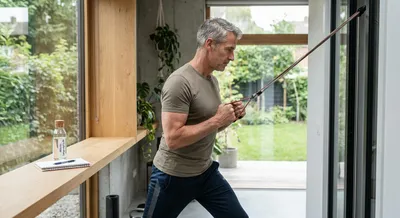
Minimal Effective Dose: Time-Efficient Resistance Training for Longevity
Think of muscle as a protective force shield as we age. Strong muscles support your bones and organs, help control blood sugar, and even improve...
Aging
Aging is the natural process of getting older that affects our bodies, minds, and how we function over time. It includes visible changes like wrinkles and graying hair, and deeper shifts such as slower muscle recovery and reduced bone density. Inside the body, cells accumulate damage, hormones change, and organs can become less efficient, which raises the risk of chronic diseases. Mental changes are common too, including shifts in memory, processing speed, and how quickly we learn new things. Aging matters because it influences independence, quality of life, and how people plan for health care, work, and daily living. Many aspects of aging can be slowed or managed through lifestyle choices like regular exercise, good sleep, balanced nutrition, and social connection. Strength training, aerobic activity, and flexibility work help maintain muscle, bones, balance, and brain function as years go by. Preventive care and early treatment of conditions such as high blood pressure, diabetes, and hearing loss also make a big difference. Social and mental engagement — staying curious, connected, and purposeful — supports emotional well-being and cognitive health. Understanding aging helps people make informed choices to preserve independence and enjoy a higher quality of life in later years.
Get New Longevity Research & Podcast Episodes
Subscribe to receive new research updates and podcast episodes about longevity, fitness, healthspan, healthy aging, nutrition, supplements, and practical lifestyle optimization.