Longevity
longevity

Epigenetic Aging and Telomeres: Molecular Signatures of Resistance Training
Think of epigenetic clocks as tiny switches on your DNA that change as you get older. These switches involve DNA methylation, where chemical tags get...

Minimal Effective Dose: Time-Efficient Resistance Training for Longevity
Think of muscle as a protective force shield as we age. Strong muscles support your bones and organs, help control blood sugar, and even improve...

Intensity vs Volume: Which Matters More for Longevity?
Volume means the total amount of exercise you do. This can mean the total minutes of movement each week or the total sets and reps in weightlifting....
Grip Strength as a Survival Biomarker: Can Training Close the Gap?
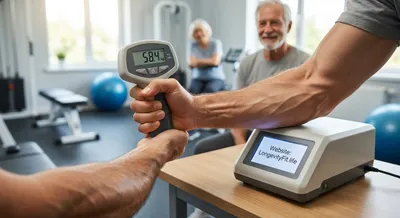
For example, a large study following older adults around the world found a clear pattern: higher grip strength means lower risk of death. In that...
Longevity
Longevity means living for a long time or the length of a person’s life. It is often used when talking about how to increase not just years lived but the number of healthy, active years a person enjoys. Scientists study factors that influence longevity, including genetics, diet, exercise, sleep, social connections, and access to healthcare. Public health efforts like vaccinations, clean water, and safer roads also play a big role in raising average life spans. While genes set some limits, lifestyle choices and the environment strongly shape how long and how well people live. People who focus on regular physical activity, balanced eating, stress management, and preventive care tend to have better odds of living longer and feeling healthier in later years. However, longevity does not mean the same thing for everyone; it’s influenced by income, education, and where someone lives. Thinking about longevity matters because it helps people plan for the future and make choices that improve both the length and quality of life. It also guides policy decisions about healthcare, retirement, and community design to support older adults. Small, consistent habits over time often have a bigger impact on longevity than quick fixes. Ultimately, the goal for many is not only to add years to life but to add life to years, meaning more independence, joy, and good health as people age.
Get New Longevity Research & Podcast Episodes
Subscribe to receive new research updates and podcast episodes about longevity, fitness, healthspan, healthy aging, nutrition, supplements, and practical lifestyle optimization.