Aging Health
aging health
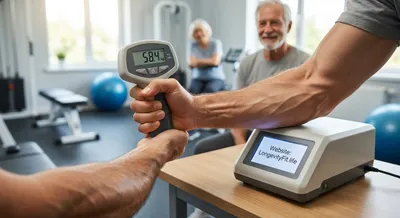
Grip Strength as a Survival Biomarker: Can Training Close the Gap?
For example, a large study following older adults around the world found a clear pattern: higher grip strength means lower risk of death. In that...
Aging Health
Aging health refers to how well a person stays physically, mentally, and socially as they get older. It’s not just about how many years someone lives, but about how well they can move, think, handle daily tasks, and enjoy life during those years. Key parts of aging health include strength, balance, heart and lung fitness, mental sharpness, and freedom from disabling conditions. Changes in any of these areas can affect independence, mood, and the need for medical or caregiving help. Doctors and researchers look at simple signs—like walking speed, grip strength, or memory tests—to understand overall aging health. Good aging health matters because it affects quality of life and how long people can live without heavy medical care. Lifestyle choices such as staying active, eating well, getting enough sleep, and staying socially connected have a big impact. Preventive care, vaccinations, and managing chronic conditions early also help preserve function. Small changes, like strength training, balance exercises, and regular checkups, can make a big difference over time. Focusing on aging health helps people remain independent and enjoy life as they grow older.
Get New Longevity Research & Podcast Episodes
Subscribe to receive new research updates and podcast episodes about longevity, fitness, healthspan, healthy aging, nutrition, supplements, and practical lifestyle optimization.