Functional Health
functional health
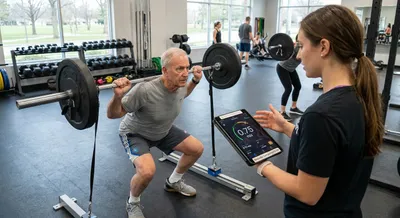
Velocity-Based Training and Longevity-Relevant Outcomes
Several small trials of older adults suggest yes. In one 12-week study of very old adults (average age ~82) with slow walking speed, a power-training...
Functional Health
Functional health means being able to do the everyday tasks that let you live independently and participate in life the way you want. It includes physical abilities like walking, getting up from a chair, carrying groceries, balance, and flexibility, plus mental and social aspects such as memory, mood, and being able to connect with others. Instead of focusing on a single lab number or diagnosis, it looks at how well your body and mind work together in real life. This approach recognizes that small losses in strength or balance can make a big difference in daily freedom and safety. Functional health matters because it directly affects quality of life. When people maintain or improve these abilities, they tend to fall less, recover faster from illness, and need less medical help. Simple, targeted exercises and lifestyle changes can often improve functional health more than focusing only on weight or blood tests. Professionals use functional health measures to plan care, set goals, and track progress in a way that feels relevant and practical to you.
Get New Longevity Research & Podcast Episodes
Subscribe to receive new research updates and podcast episodes about longevity, fitness, healthspan, healthy aging, nutrition, supplements, and practical lifestyle optimization.