Health Outcomes
health outcomes
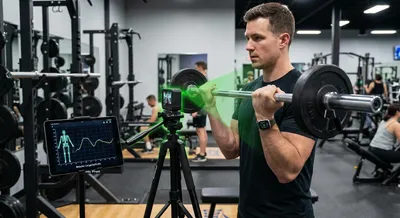
Wearables and Computer Vision: Measuring Real-World Resistance Training Exposure
Modern tools make tracking workouts easier. Here are three approaches researchers and fitness apps use to spot strength workouts and measure their...
Health Outcomes
Health outcomes are the measurable changes in a person’s physical or mental condition that result from care, lifestyle choices, or environmental factors. They include things like whether a treatment reduces symptoms, whether a behavior lowers the risk of a disease, how long people live, or how well someone can do everyday activities. Some outcomes are simple to see, like fewer colds or less pain, while others are measured with tests, surveys, or medical records, such as blood pressure, quality of life scores, or hospital readmission rates. Health outcomes matter because they help doctors, researchers, and policymakers know what works, what doesn’t, and where to focus resources. For individuals, understanding likely outcomes can guide choices about treatments, prevention, and daily habits. Outcomes can be short-term, like recovery from an injury, or long-term, like reduced risk of chronic disease over decades. Comparing outcomes across groups helps identify health inequalities and make decisions that improve care for more people. Good measurement and clear outcomes are essential for making informed decisions about health at both personal and population levels.
Get New Longevity Research & Podcast Episodes
Subscribe to receive new research updates and podcast episodes about longevity, fitness, healthspan, healthy aging, nutrition, supplements, and practical lifestyle optimization.