Aging And Fitness
aging and fitness
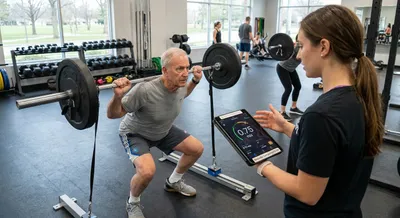
Velocity-Based Training and Longevity-Relevant Outcomes
Several small trials of older adults suggest yes. In one 12-week study of very old adults (average age ~82) with slow walking speed, a power-training...
Aging And Fitness
Aging and fitness describes how staying active affects the body and mind as people get older. As we age, muscles get smaller and bones can lose density, balance can decline, and recovery can take longer, but regular physical activity can slow or reverse many of those changes. Exercise helps maintain strength, flexibility, and endurance, which make everyday tasks easier and reduce the risk of falls. It also supports heart and lung health, helps control weight, and lowers the chance of chronic diseases like diabetes and high blood pressure. Fitness in later life matters because it preserves independence and quality of life. Staying active improves mood, sharpens thinking, and often increases social interaction when activities are done in groups. Simple routines that include aerobic work, strength exercises, balance practice, and stretching can make a big difference. Even moderate, consistent activity has benefits, and programs can be adapted to different ability levels. In short, focusing on fitness while aging helps people live healthier, more capable lives for longer.
Get New Longevity Research & Podcast Episodes
Subscribe to receive new research updates and podcast episodes about longevity, fitness, healthspan, healthy aging, nutrition, supplements, and practical lifestyle optimization.