Velocity-based Training
velocity-based training
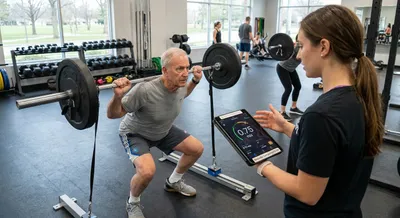
Velocity-Based Training and Longevity-Relevant Outcomes
Several small trials of older adults suggest yes. In one 12-week study of very old adults (average age ~82) with slow walking speed, a power-training...
Velocity-based Training
Velocity-based training is a way of controlling and planning strength workouts by measuring how fast a weight or movement is performed. Instead of only choosing a weight based on a percentage of your maximum, people use devices that record speed to decide how heavy or light to go in each set. The real-time feedback tells you when to push harder, when to stop, or when fatigue is making your technique slow down. That makes workouts more responsive to how you feel that day and helps prevent overtraining. It also highlights improvements in power and explosiveness because speed is linked to how quickly your muscles can generate force. This approach matters because it gives precise, objective information that coaches and lifters can use immediately. It can improve performance by targeting power and quality of movement rather than just chasing heavier loads. For people recovering from injury or managing fatigue, it helps keep sessions safe and effective. It also makes progress tracking clearer: you can see changes in speed over time even if your one-rep max stays the same. Overall, velocity-based training is a practical tool to make strength work smarter, not just harder.
Get New Longevity Research & Podcast Episodes
Subscribe to receive new research updates and podcast episodes about longevity, fitness, healthspan, healthy aging, nutrition, supplements, and practical lifestyle optimization.