Exercise Tracking
exercise tracking
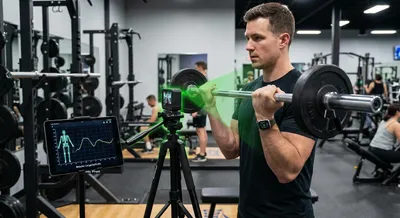
Wearables and Computer Vision: Measuring Real-World Resistance Training Exposure
Modern tools make tracking workouts easier. Here are three approaches researchers and fitness apps use to spot strength workouts and measure their...
Exercise Tracking
Exercise tracking is the practice of recording information about physical activity to measure progress and guide future workouts. It can include simple metrics like steps and active minutes, as well as more detailed data such as distance, speed, heart rate, number of repetitions, sets, and calories burned. People track exercise using wearable devices, smartphone apps, or written logs recorded after a session. The main purpose is to make activity visible and measurable so you can set goals, notice improvements, and stay motivated. Tracking helps you understand what types and amounts of activity produce the results you want, whether that’s building strength, improving endurance, or losing weight. It also supports safety by showing when intensity is too high or when more recovery is needed, which can reduce the risk of injury and overtraining. For athletes and researchers, detailed records allow precise analysis of training load and performance changes over time. There are downsides: tracked data can be inaccurate, logging every detail can feel burdensome, and some people may become overly fixated on numbers rather than how they feel. When used thoughtfully, exercise tracking is a practical tool for making workouts more effective and for building long-term healthy habits.
Get New Longevity Research & Podcast Episodes
Subscribe to receive new research updates and podcast episodes about longevity, fitness, healthspan, healthy aging, nutrition, supplements, and practical lifestyle optimization.