Wearable Technology
wearable technology
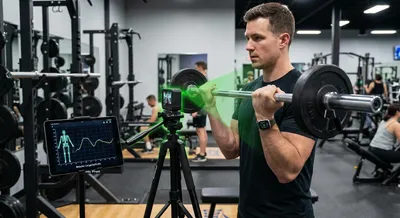
Wearables and Computer Vision: Measuring Real-World Resistance Training Exposure
Modern tools make tracking workouts easier. Here are three approaches researchers and fitness apps use to spot strength workouts and measure their...
Wearable Technology
Wearable technology refers to small electronic devices you can wear on your body or clothing to collect data, deliver information, or interact with other systems. Common examples include smartwatches, fitness bands, wireless earphones, smart clothing, and head-mounted displays. These devices contain sensors such as accelerometers, heart-rate monitors, GPS, and temperature sensors that record movement, vital signs, and environmental conditions throughout the day. They can provide real-time feedback, like alerting you to an elevated heart rate or reminding you to stand after long periods of sitting. Wearable technology matters because it makes personal health and activity data easy to gather without visiting a clinic or writing everything down. That continuous stream of information helps people notice patterns, set realistic goals, and spot early warning signs of health issues. Organizations and researchers also use wearables to study behavior, improve safety, and evaluate the effectiveness of interventions. On the downside, battery life, comfort, and the accuracy of measurements can limit usefulness, and there are important privacy questions about who owns and accesses the data. Despite those caveats, these devices are changing how many people manage fitness, sleep, and long-term conditions by making useful health information more accessible and actionable.
Get New Longevity Research & Podcast Episodes
Subscribe to receive new research updates and podcast episodes about longevity, fitness, healthspan, healthy aging, nutrition, supplements, and practical lifestyle optimization.